Metal Braces vs. Ceramic Braces: Which One Is Actually Right for You?
Key Takeaways:
- Metal braces vs ceramic braces is a comparison between two highly effective orthodontic treatment options.
- Both types of braces straighten teeth and correct bite concerns using similar treatment principles.
- Ceramic braces are less noticeable, while metal braces are known for their durability.
- The best choice depends on your orthodontic needs, lifestyle, and treatment goals, not simply appearance.
Choosing braces is about more than deciding how they'll look. Many patients come into my office already knowing they want braces, but they're unsure which type will fit their daily life. Some are preparing for college, others spend their days meeting with clients, and many parents are trying to help their teenagers choose an option they'll feel comfortable wearing for the next year or two. The conversation usually begins with one question:
"Should I choose metal braces or ceramic braces?"
The answer isn't the same for everyone. When comparing metal braces vs ceramic braces, the most important consideration isn't which option is "better." It's which one is better for you.
What This Blog Covers
- How Do Both Types of Braces Work?
- Appearance: One of the Biggest Differences
- Durability Matters Too
- Lifestyle Plays a Bigger Role Than Many Patients Expect
- Are Ceramic Braces Better for Adults?
- Ceramic Braces vs Metal Braces: Is Treatment Time Different?
- Choosing the Right Braces Starts With the Right Conversation
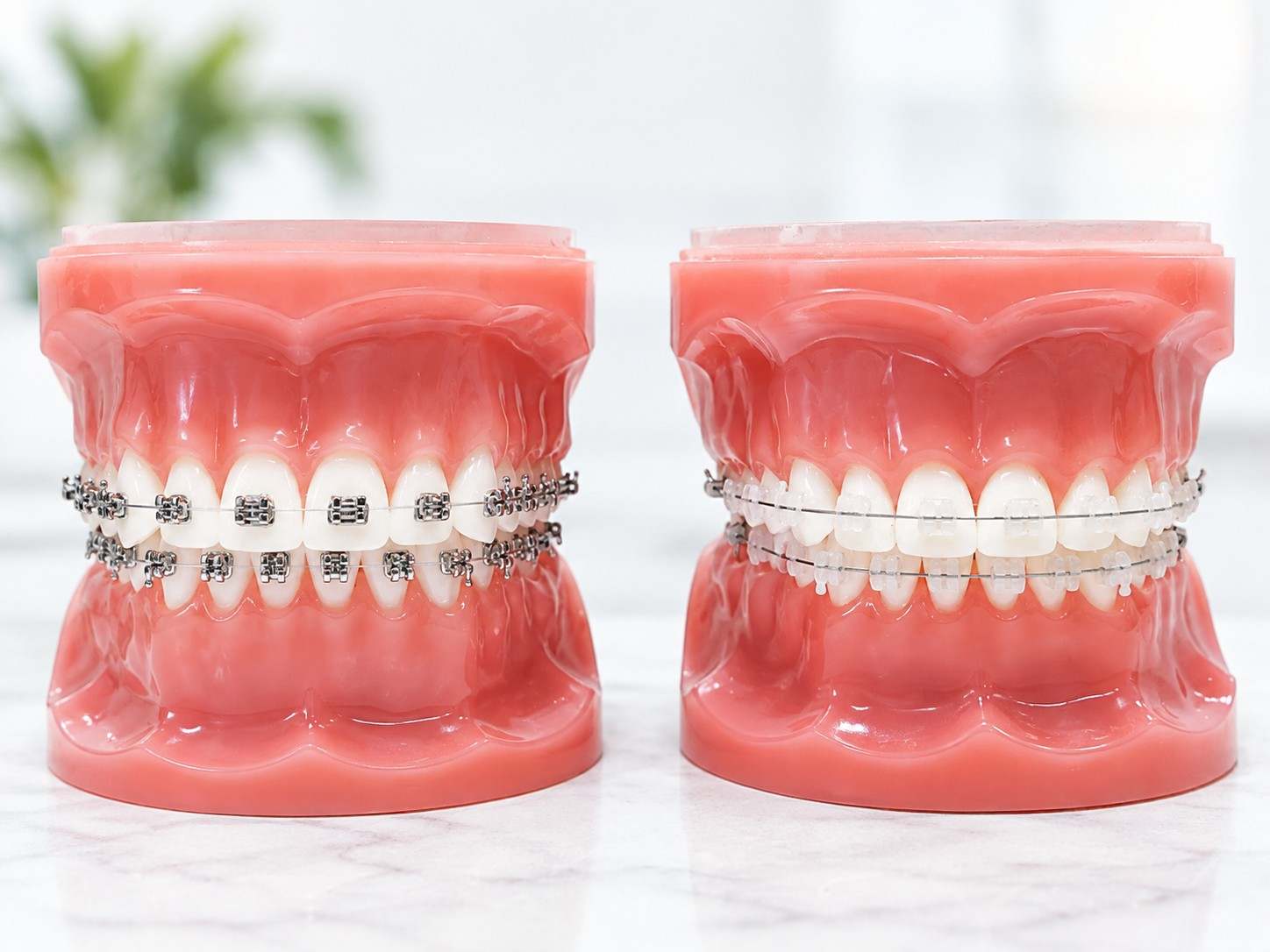
When comparing metal braces vs ceramic braces, both options are highly effective for straightening teeth and correcting bite problems. Metal braces use durable stainless-steel brackets, while ceramic braces use tooth-colored or translucent brackets that blend more naturally with the teeth. The right choice depends on factors such as treatment goals, lifestyle, appearance preferences, and your orthodontist's clinical recommendation.
How Do Both Types of Braces Work?
Despite their different appearance, both braces systems work in much the same way. Each uses carefully positioned brackets and orthodontic wires to apply gentle, controlled forces that gradually move teeth into healthier positions. Whether you choose metal or ceramic brackets, the treatment planning, monitoring, and adjustments remain based on the same orthodontic principles. That's why the discussion isn't usually about effectiveness. Instead, it's about selecting the most appropriate orthodontic bracket systems for your individual needs.
Appearance: One of the Biggest Differences
For many patients, appearance is the first thing they notice during a ceramic braces vs metal braces comparison. Metal braces are more visible because of their stainless-steel brackets. Ceramic braces, on the other hand, use tooth-colored or translucent brackets designed to blend more naturally with the surrounding teeth.
For adults and older teenagers who have concerns about treatment visibility, ceramic braces are often considered one of the more popular aesthetic braces options. That doesn't necessarily mean they're the right choice for every patient, but appearance is certainly an important consideration for many people.
Durability Matters Too
When discussing metal braces advantages, durability often comes up early in the conversation. Metal brackets are extremely strong and have been used successfully in orthodontics for decades. Ceramic braces are also durable, but because the bracket material differs, there are situations where your orthodontist may recommend metal braces instead. This is especially true for certain bite relationships or patients whose treatment places greater forces on the brackets. Ultimately, braces durability is only one part of the decision, but it's an important one.
Lifestyle Plays a Bigger Role Than Many Patients Expect
One of the questions I ask patients isn't about their teeth. It's about their daily routine.
Do they spend a lot of time speaking in front of people?
Are they preparing for school photos, presentations, or interviews?
Do they play contact sports?
Are they looking for the most discreet treatment possible?
These conversations help determine which types of braces orthodontics may fit comfortably into everyday life. Sometimes patients arrive expecting ceramic braces but realize metal braces better support their treatment goals. Other times, ceramic braces provide the balance of aesthetics and function they're looking for.
Are Ceramic Braces Better for Adults?
Patients often ask whether ceramic braces are the best braces option adults should choose. The answer depends on the individual. Many adults appreciate ceramic braces because they're less noticeable during work meetings, social events, and daily interactions. Others prefer metal braces because they're comfortable with the appearance and appreciate their durability. Neither choice is universally better. The most appropriate treatment is the one that aligns with both your orthodontic needs and your lifestyle.
Ceramic Braces vs Metal Braces: Is Treatment Time Different?
Many people assume one option works faster than the other.
In reality, treatment time is influenced far more by:
- The complexity of your bite
- Tooth movement required
- Patient cooperation
- Appointment consistency
The material used for the brackets is usually much less important than careful treatment planning and regular orthodontic follow-up. That's why I encourage patients to focus less on finding the "fastest" braces and more on selecting the appliance that's most appropriate for their individual case.
What About Clear Braces?
Some patients researching clear braces vs metal braces are actually referring to ceramic braces. Others may be thinking about clear aligners. While all of these options aim to improve tooth alignment, they function differently and may be appropriate for different orthodontic situations. An orthodontic consultation helps determine which tooth alignment appliances are best suited for your smile, bite, and treatment goals.
Choosing the Right Braces Starts With the Right Conversation
One of the things I enjoy most about orthodontics is that treatment recommendations are never based on appearance alone. Every smile is unique. Your bite, tooth movement, oral health, daily routine, and long-term goals all contribute to the decision.
The question isn't simply, "Which braces are better, ceramic or metal?"
It's, "Which braces will help you achieve the healthiest, most stable result?"
That's the conversation worth having.
FAQs
Q. Which Braces Are Better, Ceramic or Metal?
A. Both are highly effective. The best choice depends on your orthodontic needs, appearance preferences, and lifestyle.
Q. What Are the Ceramic Braces Pros and Cons?
A. Ceramic braces are less noticeable but may not be the ideal choice for every orthodontic case. Your orthodontist can recommend the most appropriate option.
Q. What Are the Metal Braces Advantages?
A. Metal braces are known for their durability, reliability, and effectiveness across a wide range of orthodontic cases.
Q. Are Ceramic Braces Considered Invisible Braces Alternatives?
A. Ceramic braces are more discreet than traditional metal braces, although they are not completely invisible.
Q. How Do I Choose the Best Orthodontic Braces Type?
A. A comprehensive orthodontic evaluation helps determine which appliance best fits your bite, treatment goals, and lifestyle.
If you're considering braces in Bay Area, CA, our San Francisco and Sonoma offices provide personalized orthodontic evaluations to help determine the treatment option that best fits your smile and your everyday life. Whether you're comparing metal braces, ceramic braces, or other orthodontic solutions, our recommendations are based on your individual needs, not a one-size-fits-all approach.
If you're deciding between metal and ceramic braces, schedule an orthodontic consultation. Together, we can discuss your goals, answer your questions, and determine which treatment option is best suited for your smile.
Conclusion
Choosing between metal braces vs ceramic braces isn't about finding the universally "better" appliance. It's about understanding how each option fits your orthodontic needs, your daily routine, and your long-term goals.
With thoughtful treatment planning and personalized recommendations, both metal and ceramic braces can provide excellent outcomes. The best choice is the one that allows you to move through treatment with confidence while building a healthy, lasting smile.
Must Read
Loading...