Vivera Retainers vs Traditional Retainers: What’s the Difference?
Key Takeaways:
1. Vivera retainers vs traditional retainers differ in material, durability, and fit.
2. Invisalign Vivera retainers are clear, custom-made retainers designed for long-term stability.
3. Traditional wire retainers remain a reliable option in certain cases.
4. Post-treatment retention is essential to prevent teeth shifting.
The day braces come off is memorable. For teens, it often means a quick smile in the car mirror before school. For adults, it may be a quiet moment of relief after months of careful appointments. But I often remind families that orthodontic treatment does not truly end when appliances are removed. Post-treatment retention is what protects the work we’ve completed. When patients ask about Vivera retainers vs traditional retainers, they are really asking how to preserve long-term results in a way that fits their routine.
What This Blog Covers
2. Understanding Vivera Retainers
3. Traditional Retainers Explained
5. Durability and Replacement Frequency
6. ̌Vivera Retainers Cost and Value
7. Vivera vs Traditional Retainers: Which Is Right for You?
The main difference between Vivera retainers vs traditional retainers lies in material and design. Vivera retainers are clear, custom-made retainers created using Invisalign technology, offering enhanced durability and a precise fit. Traditional retainers typically use a wire-and-acrylic design and may be more visible but remain effective for teeth shifting prevention. The best option depends on lifestyle, comfort preferences, and orthodontist recommendation.
Why Retainers Matter
Teeth naturally move over time. After braces or aligners, the surrounding bone and tissues need stability to hold their new position. Without consistent wear according to the prescribed wear schedule, gradual shifting can occur. This is true whether treatment involves braces or aligners. Retention is not dramatic. It is steady, quiet maintenance. But it is essential.
Understanding Vivera Retainers
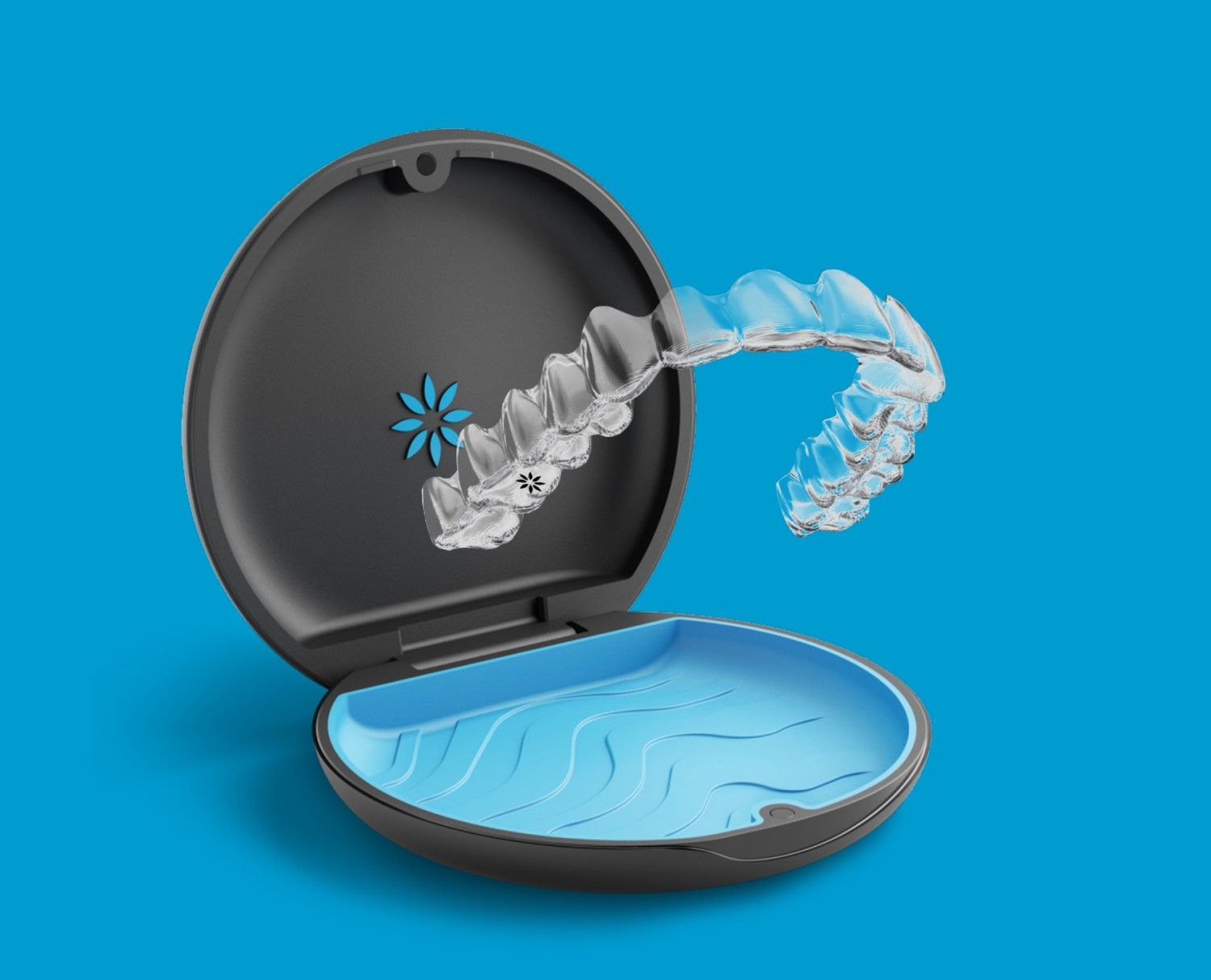
Vivera retainers are clear, removable retainers manufactured through the Invisalign system. Many patients who complete Invisalign treatment transition directly into Invisalign Vivera retainers. They are created from digital scans taken at the end of treatment, ensuring precise fit and comfort. Compared to many standard clear retainers, Vivera retainers are designed with enhanced durability. Because they are clear, they remain discreet, an important factor for adults returning to professional routines. Patients often ask, “Are Vivera retainers worth it?” For individuals seeking a strong, nearly invisible solution, they can be an excellent option.
Traditional Retainers Explained
When discussing traditional retainers vs clear retainers, the conversation typically refers to wire retainers. Traditional retainers usually consist of a thin metal wire across the front teeth attached to an acrylic base. They are durable and time-tested. Clear retainers vs wire retainers is not a matter of effectiveness alone. Both are considered reliable orthodontic retainers when worn properly. Wire retainers may feel slightly more noticeable initially. Clear retainers may feel more seamless but require careful cleaning and maintenance to prevent clouding.
Comfort and Fit
Comfort and fit influence compliance. Clear retainers, including Vivera retainers vs regular retainers, tend to feel smooth and snug. They cover the entire arch and apply gentle, even pressure. Traditional wire retainers rest behind or in front of teeth, depending on design. Some patients adapt quickly; others prefer the uniform feel of clear retainers.
Durability and Replacement Frequency
Durability matters in daily life. Retainers are worn at night and occasionally during travel.Vivera retainers are known for strength compared to many standard clear retainers. However, any removable retainer may eventually need replacement. Replacement frequency depends on wear habits, grinding, and care. Wire retainers can last many years if maintained, though acrylic components may wear over time. Cleaning and maintenance are important for both types. Gentle brushing and proper storage reduce damage.
Vivera Retainers Cost and Value
Patients often inquire about Vivera retainers cost. Fees vary depending on replacement sets and treatment specifics. Rather than viewing costs in isolation, I encourage families to consider long-term results. Retainers protect the investment already made in orthodontic treatment. Replacing a lost retainer promptly is far less complex than correcting relapse.
Vivera vs Traditional Retainers: Which Is Right for You?
When deciding between Vivera vs traditional retainers, we consider:
1. Lifestyle and daily routine
2. Preference for discreet orthodontic options
3. History of grinding
4. Compliance with wear schedule
5. Long-term maintenance expectations
There is no universal answer. The right retainer is the one you will wear consistently.
FAQs
Q. Are Vivera retainers better than traditional retainers?
A. Both are effective. Vivera retainers offer clear aesthetics and strong durability, while traditional retainers are durable and time-tested.
Q. What are the best retainers after braces?
A. Best retainers after braces depend on clinical needs and patient preference.
Q. How long should retainers be worn?
A. Most patients transition to nighttime wear long-term to prevent shifting.
Q. Do Vivera retainers last longer?
A. They are designed for durability, though lifespan depends on care.
For patients in San Francisco and throughout Sonoma, we provide personalized guidance on orthodontic retainers, including Vivera retainers after Invisalign. Each recommendation is based on stability, comfort, and long-term preservation of your results.
If you are finishing orthodontic treatment or need replacement retainers, schedule a visit so we can determine the most appropriate retention plan for you.
Conclusion
The discussion of Vivera retainers vs traditional retainers is ultimately about maintaining stability. Orthodontic treatment shapes alignment. Retention protects it. With the right retainer and consistent wear, your results remain steady long after active treatment ends. Choosing thoughtfully and wearing consistently makes all the difference.
Must Read
Loading...