What Happens If You Stop Wearing Your Retainer in Sonoma, CA?
Key Takeaways
1. Not wearing retainer effects often include gradual tooth movement and orthodontic relapse.
2. Retainers play an essential role during the post-treatment retention phase by helping maintain your new smile.
3. Teeth can begin shifting at different rates depending on the individual, which is why consistent retainer wear matters.
4. If your retainer no longer fits or you've stopped wearing it, it's best to contact your orthodontist before trying to force it into place.
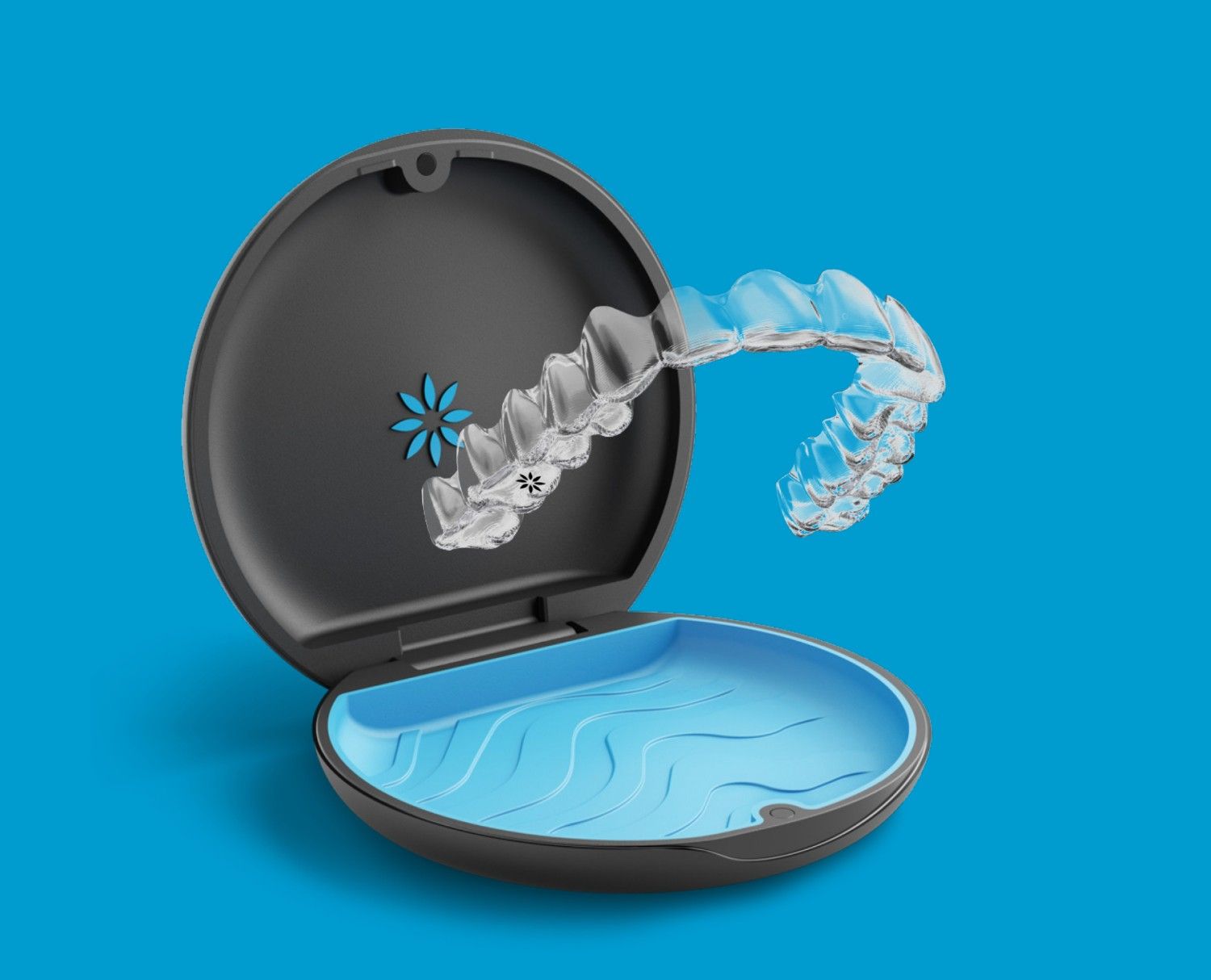
One of the happiest moments in our office is the day braces come off or the final aligner is finished. Patients look in the mirror, parents take photos, and everyone enjoys seeing the results of months, or sometimes years, of treatment. Then I usually have one more conversation. It's about retainers. Many people assume orthodontic treatment is complete once their teeth are straight. In reality, that marks the beginning of an equally important stage called retention.
Over the years, I've met patients who stopped wearing their retainers because life became busy. A college move, a new job, travel, or simply falling out of the routine often starts with "I'll skip it for a few nights."
Months later, they're asking the same question:
"What happens when you stop wearing your retainer?"
What This Blog Covers
In this guide, you'll learn:
1. Why Retainers Matter After Treatment
2. How Fast Do Teeth Shift Without a Retainer?
3. Can Teeth Move Back to Their Original Position?
4. Do You Have to Wear a Retainer Forever?
5. What If Your Retainer Doesn't Fit Anymore?
6. Building Retainer Wear Into Everyday Life
The most common not wearing retainer effects include gradual teeth shifting after stopping retainer use, changes in bite alignment, and orthodontic relapse. Although every patient is different, teeth naturally have a tendency to move throughout life. Retainers help maintain the results achieved through braces or aligners by supporting dental alignment stability during the long-term retention phase.
Why Retainers Matter After Treatment
Orthodontic treatment moves teeth into healthier positions, but that doesn't mean they immediately become permanent. The bone and surrounding tissues continue adapting after braces or aligners are removed. During this post-treatment retention phase, retainers help stabilize those changes while the supporting structures mature. Even years later, natural aging and everyday forces can contribute to gradual tooth movement. That's why retention is considered part of treatment, not something separate from it.
How Fast Do Teeth Shift Without a Retainer?
One of the questions I hear most often is:
"How fast do teeth shift without a retainer?"
Unfortunately, there isn't a single answer.
Some patients notice small changes within weeks, while others may not recognize movement for months.
The amount of tooth movement after braces removal depends on several factors, including:
1. Your original orthodontic condition
2. How long you've been out of treatment
3. Your individual biology
4. How consistently you've worn your retainer
Because everyone's smile responds differently, it's difficult to predict exactly when movement will occur.
Can Teeth Move Back to Their Original Position?
Another common concern is: "Can teeth go back to their original position after braces?" In many cases, teeth do not return completely to where they started. However, they can move enough to affect alignment, spacing, or bite relationships. This gradual orthodontic relapse is one of the primary reasons orthodontists recommend long-term retainer wear. Small shifts may not seem significant initially, but they often become more noticeable over time.
Do You Have to Wear a Retainer Forever?
Parents often ask this question when their teenager finishes treatment. Adults ask it too.
"Do you have to wear a retainer forever?"
The recommendation varies depending on the individual, but one principle remains consistent: Teeth naturally continue moving throughout life. For many patients, a long-term retainer wear schedule eventually transitions to nighttime wear. Wearing a retainer consistently while you sleep is often a simple way to help preserve the smile you've worked so hard to achieve. Rather than thinking about retainers as temporary, I encourage patients to think of them as long-term maintenance, much like regular exercise or routine dental care.
What If Your Retainer Doesn't Fit Anymore?
One situation we occasionally see is a patient who hasn't worn their retainer for several months. They find it in a drawer, try it on, and discover it no longer fits comfortably. If your retainer stopped fitting after not wearing it, avoid forcing it into place.
Instead, schedule an orthodontic appointment.
Depending on the amount of movement, your orthodontist may recommend:
1. Evaluating the current tooth position
2. Fabricating a new retainer
3. Minor retreatment if necessary
The sooner the issue is addressed, the more options are often available.
Building Retainer Wear Into Everyday Life
One of the easiest ways to stay consistent is to make retainer wear part of an existing routine. For many patients, that means placing the retainer after brushing before bed. The patients who have the most long-term success are rarely the ones with perfect memories. They're the ones who develop simple habits that become automatic. That consistency helps protect the investment they've already made in their smile.
FAQs
Q. What happens when you stop wearing your retainer?
A. The most common result is gradual tooth movement that may eventually lead to orthodontic relapse.
Q. How long can you go without wearing your retainer?
A. There is no universal timeline. Some people experience movement sooner than others, which is why consistent wear is recommended.
Q. Signs your teeth are moving without a retainer?
A. You may notice tighter spacing, small gaps closing or opening, bite changes, or a retainer that feels tighter than before.
Q. What should I do if I lost my retainer for months?
A. Schedule an appointment with your orthodontist rather than waiting for additional movement to occur.
Q. Should you wear your retainer every night permanently?
A. Many orthodontists recommend long-term nighttime retainer wear to help maintain treatment results.
If you're looking for dental retainers in Bay Area, CA, our San Francisco and Sonoma offices provide personalized retention plans designed to help protect your orthodontic results long after braces or aligner treatment is complete. Whether you need a replacement retainer or have questions about long-term retention, we're here to help you maintain a healthy, stable smile.
If you've stopped wearing your retainer or noticed changes in your smile, schedule an orthodontic consultation. Addressing small shifts early may help preserve the results of your treatment and prevent more extensive correction later.
Conclusion
The most important not wearing retainer effects often happen gradually, making them easy to overlook until noticeable changes occur. Orthodontic treatment doesn't truly end when braces come off or your final aligner is complete. Retainers are what help protect the time, effort, and commitment you've already invested. A simple nighttime routine today can help your smile stay healthy, stable, and confident for years to come.
Must Read
Loading...