Which Treatment Takes Longer in Sonoma, CA: Braces or Invisalign?
Key Takeaways
1. Invisalign vs braces treatment time depends more on your orthodontic needs than the appliance itself.
2. Both braces and Invisalign can effectively treat a wide range of orthodontic concerns.
3. Treatment duration is influenced by case complexity, patient compliance, and treatment planning.
4. Following your orthodontist's recommendations consistently helps keep treatment on schedule.
One of the first questions patients ask during a consultation isn't about braces or aligners themselves. It's about time. Whether they're preparing for a wedding, starting college, changing careers, or simply eager to see results, most people naturally want to know how long treatment will take.
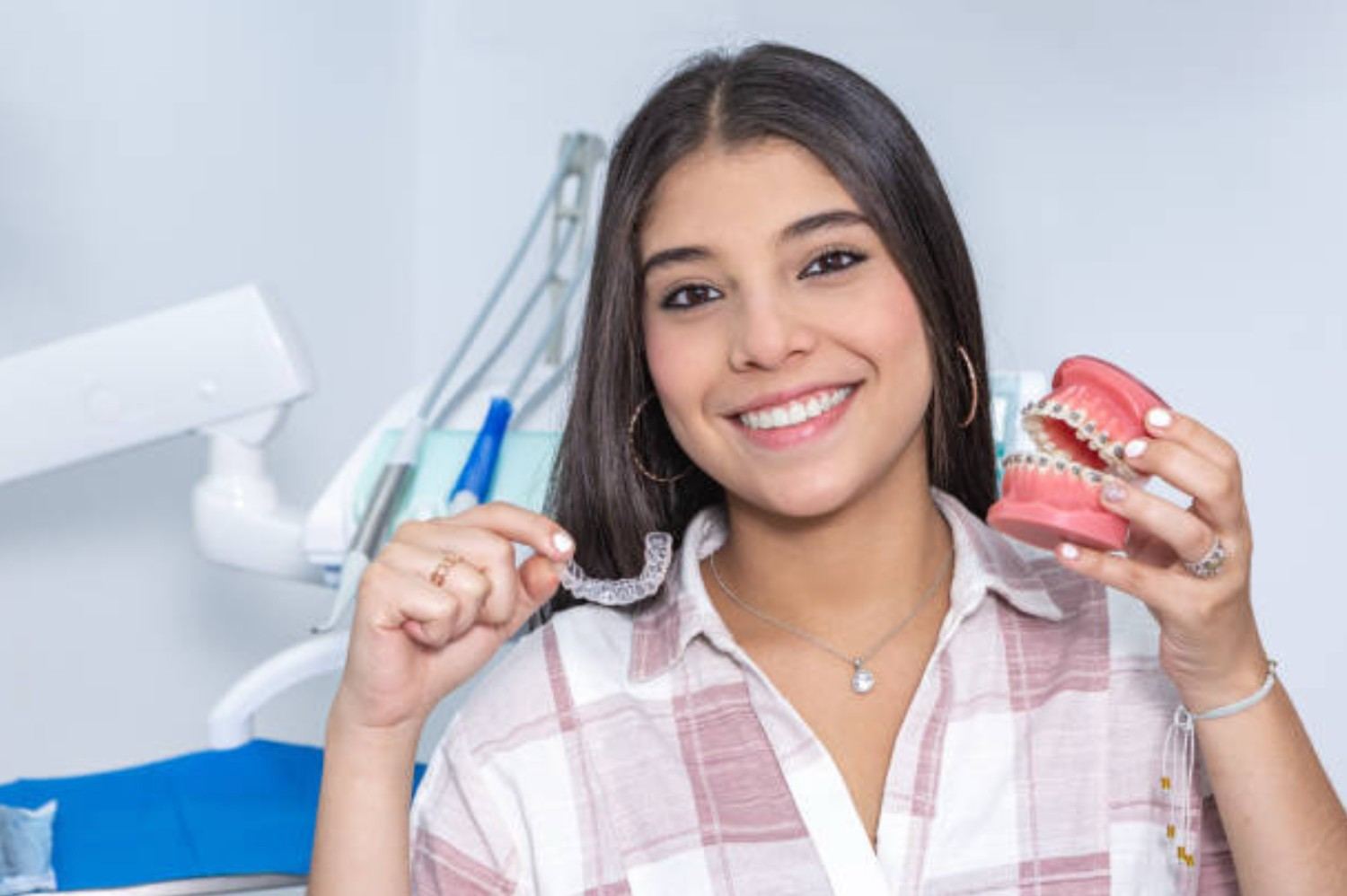
When comparing Invisalign vs braces treatment time, many assume one option is always faster than the other. In reality, the answer is much more personal. As an orthodontist, I've seen patients complete treatment efficiently with both braces and Invisalign. I've also seen treatment take longer, not because of the appliance, but because of factors unique to the patient and their smile.
What This Blog Covers
In this guide, we'll discuss:
1. The Biggest Factor Isn't Braces or Invisalign
2. Invisalign Depends on Consistency
3. Braces Stay Working Around the Clock
5. Can Invisalign Finish in Six Months?
6. Braces vs Invisalign for Teens and Adults
8. Your Treatment Plan Is Designed for Your Smile
When comparing Invisalign vs braces treatment time, neither option is universally faster. The length of treatment depends on factors such as the complexity of tooth movement, bite correction, patient compliance, and overall treatment goals. While some mild orthodontic cases may be completed more quickly with clear aligners, more complex situations may benefit from braces. A personalized orthodontic evaluation is the best way to estimate your treatment timeline.
The Biggest Factor Isn't Braces or Invisalign
Patients often ask,
"Does Invisalign take longer than braces?"
The first thing I explain is that the appliance itself is only one part of the equation. The greater influence is the complexity of your orthodontic needs.
For example:
1. Mild spacing may require relatively little movement.
2. Moderate crowding often takes longer.
3. Bite correction can add additional treatment time.
4. Jaw relationships may require more comprehensive planning.
This is why two patients using the same appliance may have very different treatment timelines.
Invisalign Depends on Consistency
One important difference between braces and Invisalign is responsibility. Braces work continuously because they remain attached to the teeth. With Invisalign, treatment success depends heavily on the clear aligner compliance factor. Aligners should typically be worn for approximately 20 to 22 hours each day.
If they're removed frequently or left out for extended periods, the planned aligner tray progression schedule can be delayed. This is one reason why some patients experience longer Invisalign treatment length than originally estimated. The aligners only work while they're being worn.
Braces Stay Working Around the Clock
One advantage of braces is that they continue applying gentle forces throughout the day. Patients don't have to remember to insert or remove them. Instead, treatment progresses through carefully planned bracket and wire adjustment intervals, with routine appointments allowing your orthodontist to monitor movement and make appropriate adjustments. That doesn't necessarily mean braces are faster. It simply means patient compliance affects treatment differently than it does with removable aligners.
Why Treatment Time Varies
When patients ask how long braces take vs Invisalign, I remind them that every smile tells a different story.
Several factors influence orthodontic treatment duration, including:
1. Amount of crowding or spacing
2. Bite correction requirements
3. Tooth movement needed
4. Age and biological response
5. Appointment consistency
6. Following treatment recommendations
Even the natural tooth movement rate per month varies slightly between individuals. This is why orthodontic treatment timelines are always estimates rather than guarantees.
Can Invisalign Finish in Six Months?
One of the most common online questions is:
"Can Invisalign finish in 6 months?"
For certain mild cases, treatment may be completed within a relatively short timeframe. However, more comprehensive orthodontic treatment typically requires additional time. The goal should never be choosing the shortest possible treatment. Instead, the goal is achieving stable, healthy results that last. Orthodontics is a balance between efficiency and precision.
Braces vs Invisalign for Teens and Adults
Parents frequently ask about the braces vs Invisalign timeline for teens, while adults often wonder about the average Invisalign treatment time for adults. Age alone is rarely the deciding factor. Teenagers who wear aligners consistently often progress very well. Adults may also experience excellent outcomes. The more important consideration is choosing the appliance that best fits the patient's lifestyle, orthodontic needs, and ability to follow treatment instructions.
Faster Isn't Always Better
It's understandable to want treatment finished quickly. But orthodontics isn't simply about moving teeth as fast as possible. Healthy tooth movement requires careful planning and regular monitoring. Moving too quickly isn't the objective. Moving teeth safely, predictably, and into stable positions is.
When patients ask about the fastest teeth straightening option, my answer is usually the same: The fastest treatment is often the one you can follow consistently while allowing your orthodontist to guide the process.
Your Treatment Plan Is Designed for Your Smile
Every orthodontic treatment plan is individualized. Rather than asking whether braces or Invisalign are universally faster, I encourage patients to ask a different question:
"Which treatment is most appropriate for my smile?"
Once that question is answered, the timeline becomes much clearer. A personalized plan gives us the best opportunity to achieve healthy alignment, proper bite function, and long-term stability.
FAQs
Q. How long do braces take vs Invisalign?
A. Treatment varies based on the complexity of your case, patient compliance, and treatment goals. Neither option is always faster.
Q. Does Invisalign take longer than braces?
A. Not necessarily. Consistent aligner wear plays a significant role in determining Invisalign treatment time.
Q. Which is faster for overbite: braces or Invisalign?
A. The answer depends on the severity of the overbite and the specific treatment plan developed by your orthodontist.
Q. How many months does Invisalign take?
A. Treatment length varies widely depending on individual needs, ranging from several months for simpler cases to longer for more complex corrections.
Q. Why is my braces treatment taking so long?
A. Case complexity, appointment consistency, biological response, and treatment compliance all influence overall treatment time.
If you're considering Invisalign in Bay Area, CA or braces in Bay Area, CA, our San Francisco and Sonoma offices provide personalized orthodontic evaluations to determine the treatment option and timeline that best fit your smile, lifestyle, and long-term goals.
If you're comparing Invisalign and braces, schedule an orthodontic consultation to receive a personalized treatment plan and a realistic estimate of your expected treatment timeline.
Conclusion
Comparing Invisalign vs braces treatment time isn't really about deciding which appliance is faster. It's about understanding your smile, your goals, and the treatment approach that's best suited to your individual needs.
Whether treatment involves braces or Invisalign, the most predictable results come from thoughtful planning, consistent follow-through, and a partnership between you and your orthodontist. That's what keeps treatment progressing, and helps create a smile that lasts well beyond the day your braces come off or your final aligner is complete.
Must Read
Loading...